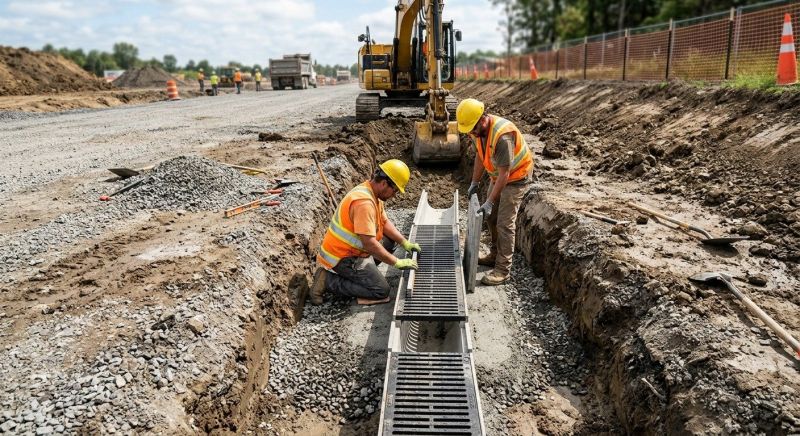
Trench Installation in Atlanta, GA
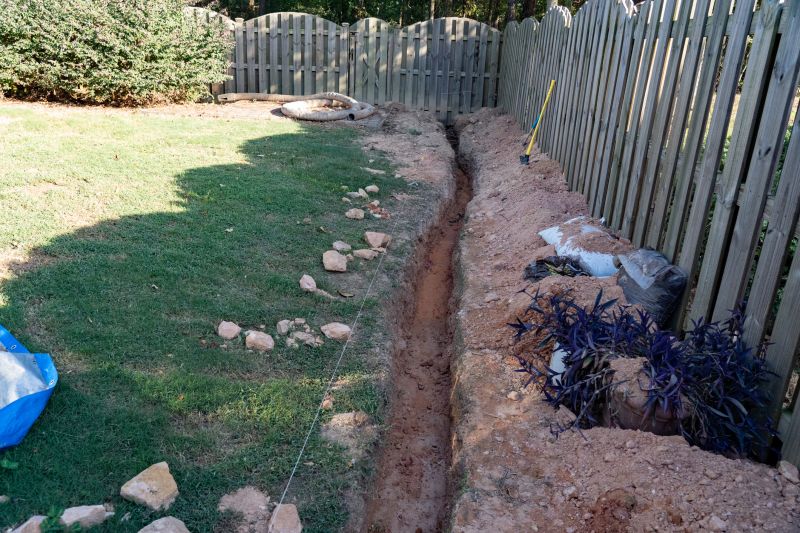
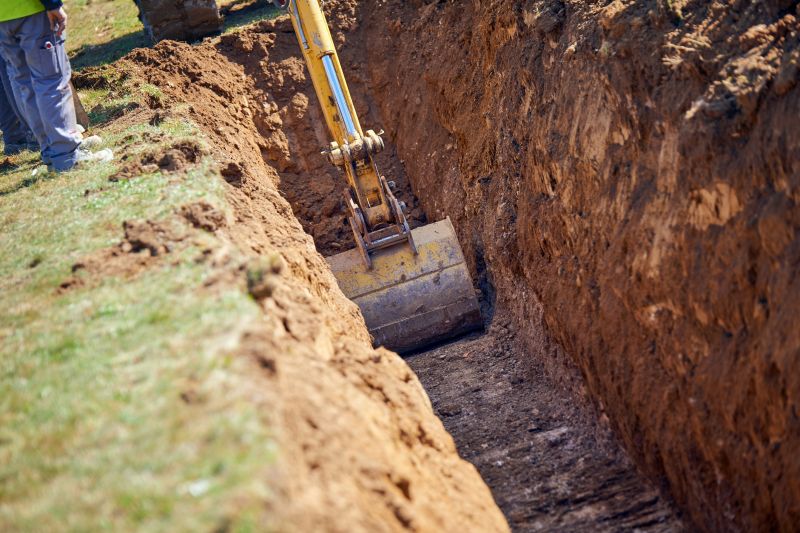
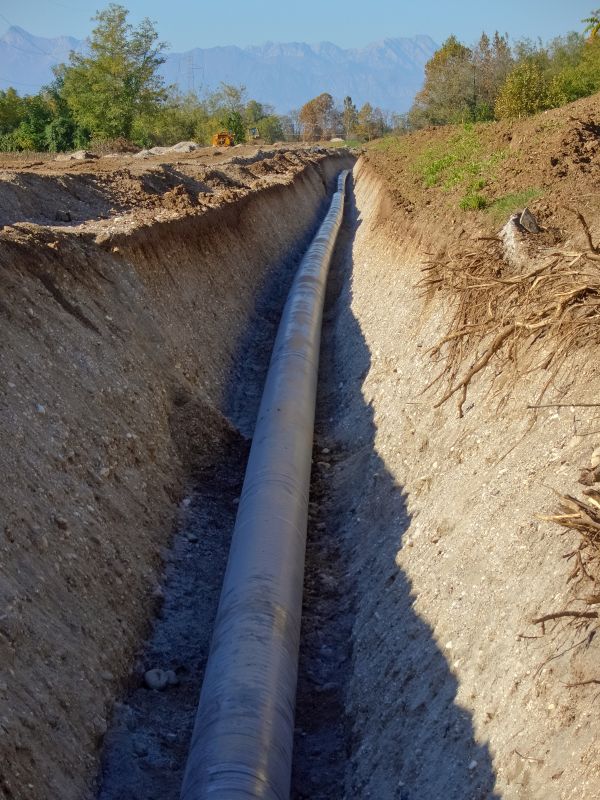
Trench installation services involve excavating narrow, deep channels into the ground to support various infrastructure and landscaping projects. These trenches are commonly used for laying underground utilities such as water, gas, electrical lines, or irrigation systems. Property owners may request trench installation for new construction projects, upgrades to existing utility lines, or landscape improvements that require underground piping or wiring. Understanding the scope of the project, including the depth, length, and purpose of the trench, can help homeowners plan effectively and ensure the work meets local codes and safety standards.
Before requesting trench installation, property owners should consider factors such as the location of existing underground utilities to prevent accidental damage, the soil type and ground conditions, and any permits that may be required. It is also helpful to clarify the intended use of the trench and the desired timeline for completion. Proper planning ensures that the trench installation aligns with overall project goals, minimizes disruptions, and adheres to local regulations. Contacting professionals for an assessment can provide guidance on the best approach for specific property needs.
Many property owners in Atlanta, GA look into Trench Installation for repairs, replacements, upgrades, and appearance-related improvements.
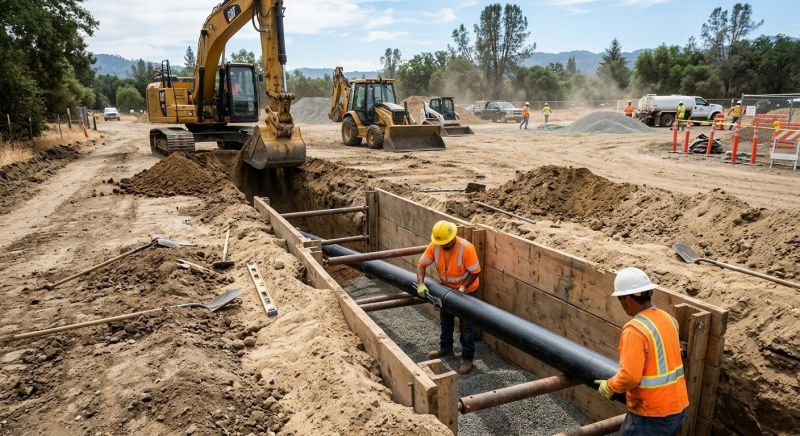
Foundation And Utility Installations
Trenches are essential for installing utilities like water, sewer, and electrical lines in residential and commercial properties.
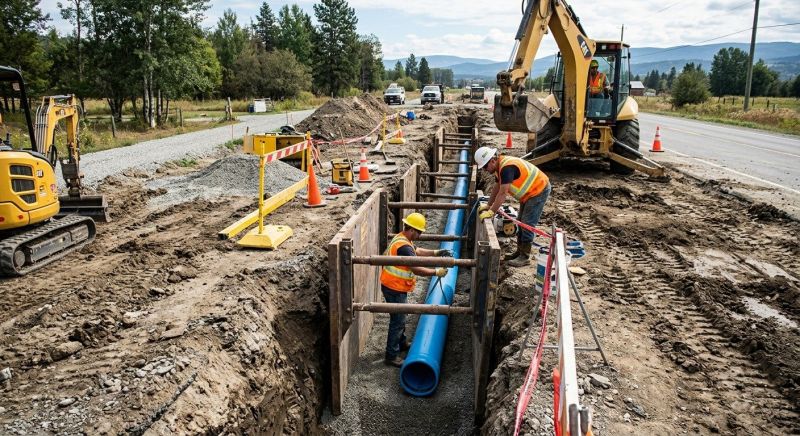
Landscaping And Drainage Solutions
Proper trenching can improve drainage and support landscaping projects around homes and businesses in atlanta, ga.
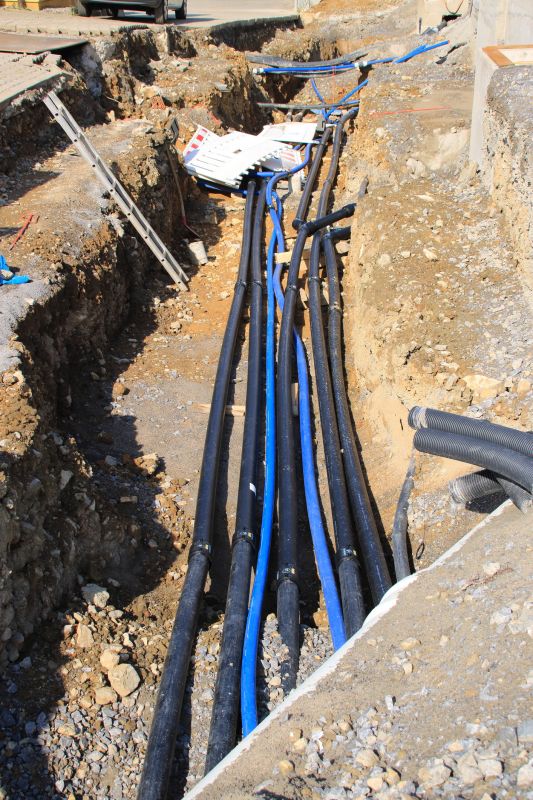
Property Expansion And Renovation
Creating trenches allows for seamless expansion, such as building additions or installing new fencing and retaining walls.
Trench Installation in Atlanta, GA

Trench installation services involve excavating narrow, deep channels into the ground to support various infrastructure and landscaping projects. These trenches are commonly used for laying underground utilities such as water, gas, electrical lines, or irrigation systems. Property owners may request trench installation for new construction projects, upgrades to existing utility lines, or landscape improvements that require underground piping or wiring. Understanding the scope of the project, including the depth, length, and purpose of the trench, can help homeowners plan effectively and ensure the work meets local codes and safety standards.
Before requesting trench installation, property owners should consider factors such as the location of existing underground utilities to prevent accidental damage, the soil type and ground conditions, and any permits that may be required. It is also helpful to clarify the intended use of the trench and the desired timeline for completion. Proper planning ensures that the trench installation aligns with overall project goals, minimizes disruptions, and adheres to local regulations. Contacting professionals for an assessment can provide guidance on the best approach for specific property needs.
Many property owners in Atlanta, GA look into Trench Installation for repairs, replacements, upgrades, and appearance-related improvements.
Common Trench Installation Jobs
Drainage projects - trench installation helps improve water flow and prevent flooding around the property.
Utility line installation - trenches are used for laying electrical, water, or gas lines safely underground.
Foundation drainage - installing trenches around foundations helps manage moisture and protect structural integrity.
Landscape drainage systems - trenches are used to direct excess water away from lawns and gardens.
Irrigation setup - trenches create pathways for underground sprinkler systems to efficiently water landscapes.
Erosion control - trench installation can help manage soil erosion on sloped or vulnerable areas.
Trench Installation Questions
What is trench installation used for? Trench installation is commonly used for installing utilities like water, gas, and electrical lines underground to keep them protected and accessible.
How deep are trenches typically dug? Trenches are usually dug to a depth that meets local codes and safety standards, often ranging from 18 inches to several feet depending on the project.
What types of soil conditions affect trench installation? Soil type can impact trenching; rocky or compacted soils may require special equipment, while loose or sandy soils may need additional support to prevent collapse.
Are permits required for trench installation? Permits are often necessary to ensure trenches meet safety and building regulations, especially for utility lines or large-scale projects.
Request Trench Installation in Atlanta, GA
Use the quote form on this page to share the basics of your project and request more information for the type of work you need.